From Design Concept to Full Completion: The Remodeling Contractor's Role in Successful Home Renovations
Renovation contractors function as the backbone of triumphant home renovations. They link the space between a homeowner's vision and the practical aspects of construction. From the initial consultation to the final walkthrough, their expertise shapes every phase of the project. This confirms that design, budget, and timelines match. However, navigating the complexities of renovation can introduce unforeseen challenges. Understanding how these professionals tackle these hurdles is vital for any homeowner planning a remodel.
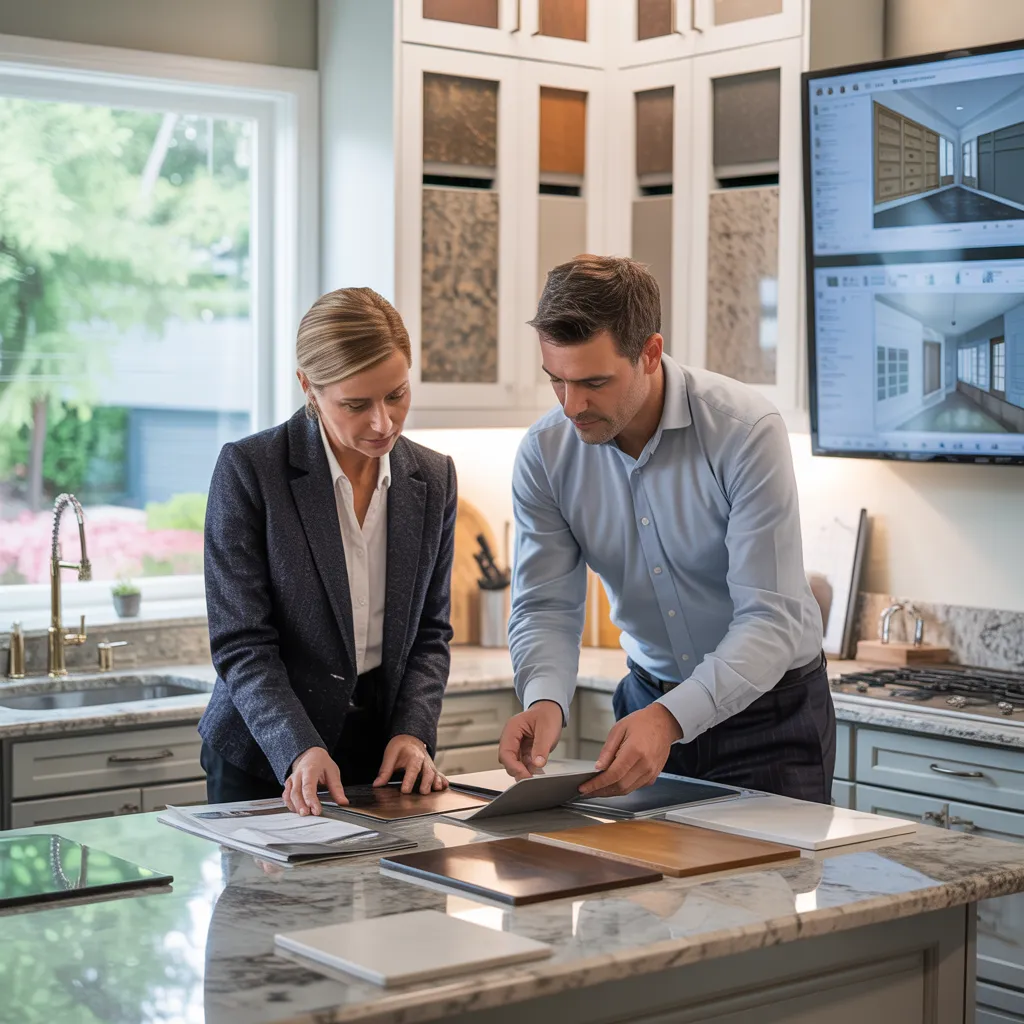
Understanding the Role of Remodeling Contractors
Renovation contractors function as crucial navigators in the house remodeling journey. They deliver expertise and experience, making certain projects progress efficiently from beginning to end. These professionals are accountable for managing multiple elements of a renovation, including timeline planning, budgeting, and coordinating subcontractors. Their understanding of building codes and regulations enables homeowners navigate complicated regulatory demands, minimizing the risk of postponements or citations.
In addition, remodeling contractors serve as a liaison between homeowners and suppliers, facilitating communication and making certain that materials meet quality standards. They analyze the individual needs of the project, providing valuable insights that can influence design choices and material selection. By leveraging their industry connections, they commonly secure better pricing and availability for necessary resources. Ultimately, the role of remodeling contractors is essential, as they transform initial visions into tangible results while managing the complexities present in renovation projects.
Consultation and Design Planning Phase
The first consultation and design planning stage represents a crucial step in the home renovation journey. During this period, remodeling contractors interact with homeowners to obtain crucial information about their goals, needs, and lifestyle. This collaboration serves to create a groundwork for the full project, as contractors analyze the space, discuss design options, and identify potential challenges.
Beyond understanding the homeowners' desires, contractors frequently provide insights into current design trends and practical solutions, ensuring that the proposed design aligns with both aesthetics and functionality. They may employ sketches or digital tools to visualize concepts, fostering cooperation between the contractor and homeowner.
Strong communication during this phase is critical, as it helps build trust and sets realistic expectations. By thoughtfully evaluating the homeowner's input and delivering expert advice, remodeling contractors play a vital role in transforming initial ideas into a coherent design plan that can guide the renovation process.
Financial Planning and Cost Oversight
While commencing a home renovation, effective budgeting and cost management are essential for guaranteeing the project keeps on track and within financial constraints. Remodeling contractors fulfill a critical role in this aspect by providing comprehensive estimates that include materials, labor, and extra expenses. By dividing costs into digestible categories, homeowners can acquire a more comprehensive understanding of where their budget is assigned.
Contractors additionally provide guidance to clients regarding cost-reduction strategies, including material procurement or selecting different design options that achieve similar results without sacrificing quality standards. Routine financial assessments during the remodeling project enable the recognition of any discrepancies in a timely manner, enabling swift corrections. Furthermore, clear communication between property owners and contractors cultivates trust and ensures that budgetary expectations remain consistent. Finally, thorough budget oversight and cost supervision not only preserve the project's financial viability but also result in a more rewarding remodeling journey for the homeowner.
Coordination and Management of Projects
Strategic project management and coordination are essential aspects of successful home renovations. Remodeling contractors fulfill a pivotal role in making certain that all aspects of a project align seamlessly. They develop thorough timelines, setting practical milestones that steer the renovation process from start to finish. By working with various trades, such as electricians, plumbers, and carpenters, contractors ensure that each team is aware of their duties and deadlines.
Strong communication is crucial, as it allows for the handling of any problems that may develop during the project. Contractors also monitor the progress, modifying schedules and resources as needed to preserve efficiency. In addition, they keep clients informed, providing updates on timelines, budgets, and any changes that take place. This level of organization and oversight not only increases productivity but also cultivates trust between contractors and homeowners, ultimately delivering a successful renovation outcome.
Overcoming Problems Throughout Renovation
Residential renovations frequently present a variety of challenges that can complicate even the best-laid plans. Unexpected structural issues, such as concealed water damage or outdated wiring, can emerge, requiring quick adjustments to the project scope. Limited budgets may also restrict the selection of materials and finishes, compelling contractors to find creative solutions without compromising quality. Communication breakdowns between clients and contractors can lead to misunderstandings, highlighting the importance of clear expectations and regular updates. Weather delays can further disrupt timelines, particularly for exterior work, necessitating flexible scheduling and contingency planning. Moreover, zoning regulations and permits can create hurdles, demanding contractors to navigate bureaucratic processes efficiently. Experienced remodeling contractors foresee these challenges and employ strategic problem-solving skills, guaranteeing that projects continue moving forward despite obstacles. By keeping a proactive approach, they help clients stay informed and engaged throughout the renovation process, eventually leading to successful outcomes.
Completion Walkthrough and Client Approval
When the renovation project approaches completion, the final walkthrough serves as an essential opportunity for both the contractor and the client to review the work completed. During this step, the contractor leads the client through the renovated spaces, showcasing the improvements and ensuring that all specifications have been fulfilled. Any inconsistencies or unfinished tasks are noted, allowing for quick resolutions.
This detailed examination not only underscores the contractor's emphasis on quality but also fosters open communication, enhancing client satisfaction. Clients are urged to communicate any concerns, confirming that their expectations are completely met before final acceptance.
In the end, a successful final walkthrough creates a sense of accomplishment for both parties, signifying the culmination of a collaborative effort. By emphasizing clarity and responsiveness during this crucial phase, contractors can reinforce their reputation and stimulate positive referrals, which are crucial for future business growth.
Common Questions
How Can I Select the Right Remodeling Contractor for My Remodeling Project?
Selecting the right remodeling contractor involves examining credentials, reviewing references, getting multiple quotes, and examining past projects. Clear communication about project expectations and timelines is vital for maintaining a successful partnership throughout presentation the renovation process.
What Permits Are Required for Home Renovations?
House remodeling work usually requires building permits, electrical permits, plumbing permits, and zoning approvals, depending on the project's scope and local regulations. It is vital for homeowners to confirm the specific requirements with their local government offices.
How Much Time Does an Average Renovation Project Require?
An average renovation project can take anywhere from a few weeks to several months, depending on the project's size and complexity. Variables like design changes, permit approvals, and contractor availability can also influence the timeline.
Is Living in My Home During the Remodel an Option?
Regardless of whether a homeowner can remain in their property during a remodel relies on the renovation's scope. Basic updates might allow for ongoing occupancy, while substantial renovations may necessitate temporary relocation for comfort and safety reasons.
What Types of Warranties or Guarantees Are Provided by Remodeling Contractors?
Remodeling contractors typically offer warranties on materials and workmanship, which can vary from one to ten years. These guarantees can also address specific issues, providing quality and customer satisfaction during the renovation process.